

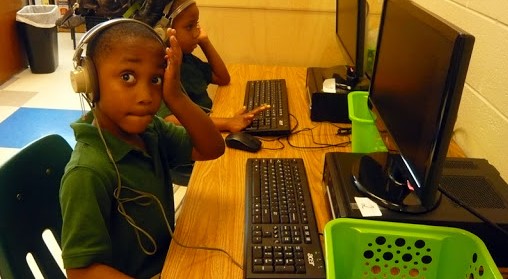

How can you raise a digital generation with an analog mindset and strategies? Why would teachers in the 21st century teach learners using 19th-century strategies? This is one big threat to our education today.
We may have a truly dedicated, sincere and energetic teacher- workforce, but these qualities will amount to little or nothing if they are not matched with the right digital skills to nurture digital potential minds and make them actual digital natives.
A digital community is one that is equipped with digital knowledge and skilled in the application of same. What does this mean?
Members of a digital community are digital savvy in the following and more: social media, search engine marketing, pay-per-click marketing, content marketing, email, mobile connectivity, strategy and planning, analytics, and video.
Being savvy here means more than knowledge. It has to do with living practically by the precepts of the concept on the go. Members communicate constantly digitally.
In an interview granted by William Gates III while still at Microsoft, he stated that he had reduced pen and paper communication in his office in all of his operations to the barest minimum. Essentially, he claimed that he wrote only on a whiteboard situated somewhere in his office, during meetings.
This means that the entire Microsoft operations relied heavily on digital technology for its communications.
Employees today can work remotely with strong interconnectivity as if they are face-to-face, yet they actually operate from different continents across the globe.
What is learning like today in our school system? How do teachers and students carry on the learning process in the classroom? How are classrooms structured?
In 2009 or thereabout, I was a participant at the international schools’ summit held at the American International School, Lagos.
I observed that each class of between 15 or more students was equipped with a desktop computer, a printer, a smart board connected to the internet, and a scanner.
Ken Robinson, professor of innovation, said “People over the age of thirty were born before the digital revolution really started. We’ve learned to use digital technology—laptops, cameras, personal digital assistants, the Internet—as adults, and it has been something like learning a foreign language. Most of us are okay, and some are even experts. We do e-mails and PowerPoint, surf the Internet, and feel we’re at the cutting edge. But compared to most people under thirty and certainly under twenty, we are fumbling amateurs. People of that age were born after the digital revolution began. They learned to speak digital as a mother tongue.”
Does this mean anything to you? Imagine where you adults are now, where you have to read manuals to operate devices, compared with your digitally compliant natives or children in whom manuals are installed before birth?
How do you teach such digital natives in a fast-digitalized world with an outdated analog mindset? This is my problem. And it robs me of sleep.
One area where the adults in our space need to catch up is in the area of technology and its usage. We must not only hone the required skills continuously, but we must also update regularly if digital minds must take us seriously.